
More Information
Submitted: September 21, 2026 | Approved: September 28, 2026 | Published: September 30, 2026
Citation: Dasaradharami Reddy K, Anusha S, Ashalatha N, Ahmed MA. Harnessing the Power of Artificial Intelligence in the Fight against COVID-19: A Comprehensive Review. Int J Clin Microbiol Biochem Technol. 2026;9(1): 61-79. Available from:
https://dx.doi.org/10.29328/journal.ijcmbt.1001042
DOI: 10.29328/journal.ijcmbt.1001042
Copyright license: © 2026 Dasaradharami Reddy K, et al. This is an open access article distributed under the Creative Commons Attribution License, which permits unrestricted use, distribution, and reproduction in any medium, provided the original work is properly cited.
Keywords: COVID-19; SARS-CoV-2; Artificial intelligence; Machine learning; Deep learning; Diagnosis, prognosis; Epidemiological forecasting, drug discovery; Responsible AI

Harnessing the Power of Artificial Intelligence in the Fight against COVID-19: A Comprehensive Review
Dasaradharami Reddy K1*, Anusha S1, Ashalatha N1 and Mohammed Azharuddin Ahmed2
2Department of Computer Science and Engineering (AI&ML), Sreenivasa Institute of Technology and Management Studies, Chittoor, Andra Pradesh, India
2Department of Computer Science and Engineering, Navodaya Institute of Technology, Raichur, Karnataka, India
*Corresponding author: Dasaradharami Reddy K, Associate Professor, Department of Computer Science and Engineering (AI&ML), Sreenivasa Institute of Technology and Management Studies, Chittoor, Andra Pradesh, India, Email: [email protected]
The COVID-19 pandemic accelerated the development and application of artificial intelligence (AI) across disease surveillance, epidemiological forecasting, medical imaging, prognosis, drug discovery, vaccine research, contact tracing, and public-health decision support. This review synthesizes the literature on these applications while critically examining the evidence needed for translation into clinical and public-health practice. A structured literature-search and selection framework was used to organize evidence published from the emergence of COVID-19 through the contemporary literature, with emphasis on peer-reviewed studies and recent reviews. The evidence was synthesized according to the pandemic-response pathway: early warning and surveillance; diagnosis and differential diagnosis; severity and prognosis; clinical and resource decision support; therapeutic and vaccine discovery; genomic surveillance; and privacy-preserving and responsible AI. Across these domains, AI demonstrates potential to process heterogeneous data and support time-sensitive decisions, but reported performance does not by itself establish clinical utility. Recurring limitations include small or non-representative datasets, dataset shift, limited external validation, class imbalance, information leakage, insufficient calibration and interpretability, privacy and security risks, and uncertainty about workflow integration and regulatory accountability. Recent systematic reviews also indicate that multimodal, federated, and privacy-preserving approaches remain less developed than conventional centralized models. The principal contribution of this review is a unified critical framework that links technical performance with data quality, external validation, clinical relevance, fairness, privacy, interpretability, and implementation readiness. The review therefore identifies not only where AI has been applied to COVID-19, but also the conditions required for responsible translation to clinical practice and future pandemic preparedness.
The COVID-19 pandemic, caused by the new coronavirus SARS-CoV-2, has greatly affected the world since it was first found in December 2019 in Wuhan, China [1]. The virus quickly spread globally, leading the World Health Organization (WHO) to declare it a pandemic on March 11, 2020 [2]. The pandemic has resulted in widespread illness, death, and significant societal and economic disruption. The virus primarily spreads through respiratory droplets and close contact, leading to a range of symptoms from mild to severe, including fever, cough, and difficulty breathing [3]. Certain groups, such as the elderly and those with underlying health conditions, are at higher risk of severe illness and death.
Governments and health organizations around the world have implemented various measures to control the spread of the virus, including lockdowns, travel restrictions, mask mandates, and vaccination campaigns [4]. The development and distribution of vaccines have been a critical component of the global response to the pandemic, with multiple vaccines authorized for emergency use to help protect populations from the virus. The pandemic has also had far-reaching social and economic consequences, including disruptions to education, employment, and mental health. It has highlighted global inequalities in access to healthcare and resources, as well as the interconnectedness of the modern world.
Efforts to combat the pandemic continue, with on-going vaccination campaigns, research into new treatments and variants of the virus, and public health measures aimed at reducing transmission. The COVID-19 pandemic has underscored the importance of global cooperation, scientific innovation, and public health infrastructure in addressing global health crises [5].
AI has played a crucial role in the fight against COVID-19, offering various applications to aid in the response to the pandemic. One significant area where AI has been utilized is in epidemiological modeling and prediction [6]. AI algorithms have been employed to analyze large datasets of COVID-19 cases, demographics, and other relevant information to forecast the spread of the virus, identify potential hotspots, and assess the effectiveness of various intervention strategies [7]. Furthermore, AI has been instrumental in drug discovery and development. By leveraging machine learning (ML) algorithms, researchers have been able to rapidly screen and identify potential drug candidates for COVID-19 treatment. This has significantly expedited the drug discovery process, potentially leading to the development of effective treatments in a shorter timeframe.
Deep learning (DL) algorithms have been used in various ways to fight against COVID-19. One of the key applications has been in medical imaging analysis, where DL models have been used to analyze chest X-rays and CT scans to aid in the detection and diagnosis of COVID-19 [8]. These models can help identify patterns and abnormalities indicative of the virus, potentially aiding in early detection and treatment. Additionally, DL has been used in drug discovery and development.
Furthermore, DL has been used in epidemiological modeling to forecast the spread of the virus and assist in resource allocation and decision-making. By analyzing various data sources, including demographic information, mobility patterns, and public health data, DL models can help predict the spread of the virus and assess the impact of different interventions [9]. Overall, DL algorithms have played a significant role in the fight against COVID-19 by aiding in diagnosis, screening, prediction, and drug discovery, as shown in Figure 1 [10].
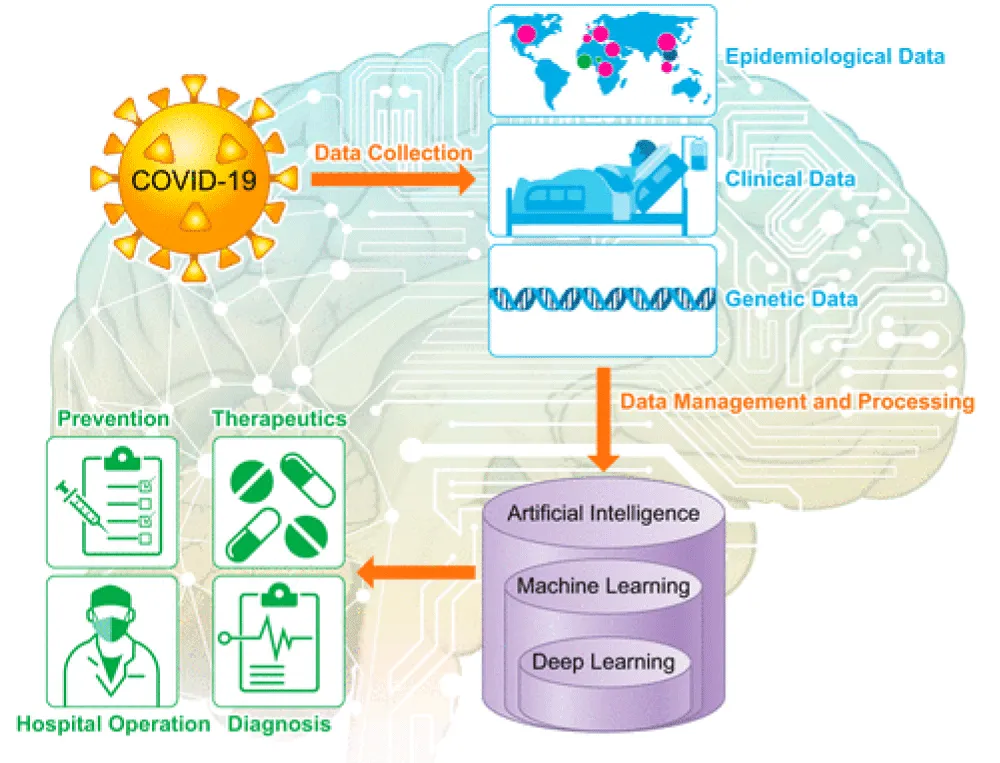
Figure 1: Harnessing the Power of Artificial Intelligence in the Fight against COVID-19 (Google Courtesy).
AI-powered robotics and automation have also been deployed to minimize human-to-human contact in healthcare settings, thereby reducing the risk of virus transmission. Robots have been used for tasks such as disinfection, delivery of supplies, and even patient care, lessening the burden on healthcare workers and reducing their exposure to the virus [11]. Additionally, AI has been harnessed for the analysis of medical imaging, such as chest X-rays and CT scans, to aid in the diagnosis of COVID-19. ML algorithms have been trained to detect patterns and abnormalities indicative of the virus, assisting healthcare professionals in making faster and more accurate diagnoses.
Moreover, AI-driven chatbots and virtual assistants have been employed to provide accurate and timely information to the public, helping to alleviate the burden on healthcare hotlines and providing individuals with guidance on COVID-19 symptoms, prevention measures, and testing locations [12]. Finally, AI has been utilized in the fight against COVID-19 across various domains, including epidemiological modeling, drug discovery, robotics and automation, medical imaging analysis, and public information dissemination. These applications have contributed to the global efforts to combat the pandemic by enhancing our understanding of the virus, accelerating the development of treatments, and improving healthcare delivery and public health communication.
A survey proposed a way to categorize the tasks involved in predicting COVID-19 [13,14]. The study talked about how big data and AI are used in this area. However, many of the papers they looked at weren’t from well-known sources. Also, they didn’t talk about the problems that still need to be solved or the current research challenges. Similarly, Bansal and others [15,16] pointed out how AI strategies are used to detect, predict, and control COVID-19.
However, some COVID-19 procedures have overlooked important factors like how severe the illness is and how many people are dying. Additionally, Kumar and his colleagues [17] have expanded the use of DL and ML to help with the pandemic, even though there hasn’t been much research on using these technologies to treat COVID-19 through respiratory patterns and clinical data. Also, only a few studies have looked at how AI can be used in various ways to deal with the pandemic [18].
Jamshidi, et al. [19] proposed a survey on advanced DL techniques for finding a cure for COVID-19. The survey looked at DL methods like generative adversarial networks (GAN), recurrent neural networks (RNN) [20], extreme learning machines, and long short-term memory (LSTM). However, the study didn’t compare these models critically. Another paper, [21], described AI-based forecasting and statistical models. Only one review [22,23] discussed data mining and ML for predicting COVID-19. Additionally, a taxonomy for complex DL methods in creating radiology reports was presented in [24].
Several studies have examined different types of data. For example, Jalaber and colleagues [25] discussed how CT images can be used to help COVID-19 patients. Another study looked at the features of PET-CT and CT scans from various articles [26], and compared different AI techniques used to predict COVID-19 [27]. Other research has focused on using AI to diagnose COVID-19 by analyzing CT and CXR images [28]. Additionally, two other studies [29,30] explored the use of biosensors and internet of things (IoT) technology to address the COVID-19 pandemic.
The rest of the article is organized as follows: Section 2 outlines the role of AI in disease surveillance and early detection. Section 3 delves into AI applications in vaccine development and drug discovery. Section 4 examines AI-driven predictive modeling for epidemiological forecasting. Section 5 explores AI-enabled diagnosis and prognosis of COVID-19. Section 6 discusses AI-assisted contact tracing and monitoring. Section 7 addresses the ethical and privacy considerations in AI implementation. Section 8 highlights the challenges and potential directions in this field. Finally, Section 9 offers the conclusion. Table 1 provides a summary of the abbreviations for the important terms referenced in the article.
| Table 1: List of abbreviations. | |
| Abbreviation | Description |
| COVID-19 | Coronavirus |
| SARS-CoV-2 | Severe Acute Respiratory Syndrome Virus 2 |
| AI | Artificial Intelligence |
| WHO | World Health Organization |
| ML | Machine Learning |
| DL | Deep Learning |
| GAN | Generative Adversarial Networks |
| RNN | Recurrent Neural Networks |
| LSTM | Long Short-Term Memory |
| IoT | Internet of Things |
| NLP | Natural Language Processing |
| PCR | Polymerase Chain Reaction |
This review was revised as a structured narrative review to improve transparency in literature identification, selection, extraction, and synthesis. The review was designed to cover the principal applications of AI reported in relation to COVID-19, while giving additional attention to recent evidence on clinical prediction, imaging, responsible AI, privacy-preserving learning, and pandemic preparedness.
Literature sources and search concepts: The revised search framework specifies the major biomedical, multidisciplinary, and engineering literature sources relevant to this topic, including PubMed/MEDLINE, Scopus, Web of Science, IEEE Xplore, ScienceDirect, and Google Scholar. For the present revision, current literature was verified through accessible bibliographic and publisher sources, while the original manuscript was used as the principal evidence base. The core search concepts combined COVID-19/SARS-CoV-2 terms with AI/ML/DL terms and application terms. A representative search string was: (“COVID-19” OR “SARS-CoV-2” OR “coronavirus disease 2019”) AND (“artificial intelligence” OR “machine learning” OR “deep learning” OR “neural network” OR “natural language processing” OR “computer vision”) AND (“diagnosis” OR “prognosis” OR “medical imaging” OR “drug discovery” OR “drug repurposing” OR “vaccine development” OR “epidemiological forecasting” OR “surveillance” OR “contact tracing” OR “clinical decision support”).
Timeframe and eligibility: The revised evidence update considered literature from January 2020 through September 2026, with priority given to peer-reviewed studies, systematic/scoping reviews, and authoritative sources directly addressing AI applications in COVID-19. Studies were considered relevant when they described an AI, ML, or DL method applied to COVID-19 detection, diagnosis, prognosis, surveillance, forecasting, contact tracing, resource management, therapeutic or vaccine research, genomic analysis, or responsible/privacy-preserving AI. English-language publications with sufficient methodological information were prioritized. Publications unrelated to COVID-19 or AI, duplicates, non-substantive news material, and sources lacking sufficient methodological or bibliographic information were excluded from the evidence synthesis.
Screening and selection: Titles and abstracts were screened for relevance, followed by assessment of full-text eligibility where necessary. The selection process emphasized direct relevance to the review questions and methodological clarity. Because the original manuscript did not retain an auditable record of database-specific retrieval totals, duplicate counts, and full-text exclusions, the present revision does not claim a fully reproducible PRISMA-compliant systematic search and does not fabricate numerical PRISMA flow counts. Instead, the revised manuscript reports the search concepts, eligibility principles, screening logic, extraction fields, and synthesis framework transparently. A future protocol-based update can convert this framework into a registered systematic review with database-specific retrieval counts and a numerical PRISMA 2020 flow diagram.
Data extraction and synthesis: For each representative study or review, the synthesis considered publication year, AI technique, application domain, data modality, population or setting, principal objective, validation approach, reported outcomes, and limitations. Evidence was then grouped according to the COVID-19 response pathway. Particular attention was paid to whether models were internally or externally validated, whether data were sufficiently representative, and whether reported performance had a plausible route to clinical or public-health utility. Given the substantial heterogeneity in datasets, algorithms, outcomes, and study designs, the evidence was synthesized qualitatively rather than pooled statistically.
Clinical relevance and evidence interpretation: AI performance metrics such as accuracy, sensitivity, specificity, F1-score, and area under the receiver operating characteristic curve are not, by themselves, evidence of clinical effectiveness. Translation requires external validation, calibration, assessment of subgroup performance, interpretability, prospective or real-world evaluation, workflow compatibility, privacy and cybersecurity safeguards, and appropriate regulatory oversight. This distinction is maintained throughout the revised review. Recent evidence supports this cautious interpretation: a 2024 systematic review and meta-analysis found promising performance of AI models for severe COVID-19 prognosis but substantial heterogeneity and uncertainty about full clinical applicability; a 2024 review similarly identified generalization, data quality, infrastructure readiness, and ethical risk as major barriers; and a 2025 survey highlighted continuing gaps in multimodal AI, federated learning, interpretability, and equitable deployment [103-105] (Table 2).
| Table 2: Evidence domains, data modalities, roles, and recurring limitations identified across the AI/COVID-19 literature. | ||||
| AI application | Typical data | Primary objective | Potential role | Key limitations |
| Early surveillance and warning | News, search, social-media, mobility, public-health data | Detect unusual signals and forecast outbreaks | Early warning and situational awareness | False signals, bias, changing behavior and reporting patterns |
| Medical imaging and diagnosis | Chest X-ray, CT, radiomics, clinical data | Detection, classification, lesion quantification | Diagnostic support and triage | Dataset shift, leakage, limited external validation, workflow integration |
| Severity and prognosis | Clinical, laboratory, imaging and vital-sign data | Predict deterioration, ICU admission or mortality | Risk stratification and resource planning | Calibration, population differences, heterogeneity and interpretability |
| Epidemiological forecasting | Case counts, mobility, demographic and intervention data | Forecast transmission and hotspots | Public-health planning | Policy changes, non-stationarity and uncertainty |
| Drug/vaccine discovery | Molecular, genomic, structural and biological data | Candidate identification and prioritization | Therapeutic and vaccine research | In-silico predictions require experimental/clinical validation |
| Genomic surveillance | Viral sequences and epidemiological metadata | Mutation/variant analysis and risk stratification | Variant surveillance | Sequence availability, annotation and evolving variants |
| Contact tracing and monitoring | Bluetooth, mobility, location and digital records | Identify exposure and monitor trends | Public-health response | Consent, privacy, security and unequal access |
| Federated/responsible AI | Distributed clinical datasets | Collaborative learning while reducing centralization | Privacy-preserving multi-institutional research | Communication cost, security, heterogeneity and governance |
AI has played a crucial role in disease surveillance and the early detection of COVID-19 [31]. One primary way AI has been utilized is through the analysis of big data. AI algorithms can process vast amounts of data from various sources, such as social media, search engines, and health records, to identify patterns and trends that may indicate the spread of a disease, as shown in Figure 2 [32]. For example, AI can analyze social media posts and search queries to detect early signs of illness. If there is a sudden increase in posts or searches related to symptoms such as cough, fever, or loss of taste or smell, AI algorithms can flag these as potential indicators of a disease outbreak in a specific region. This early detection can help public health officials take proactive measures to contain the spread of the disease.
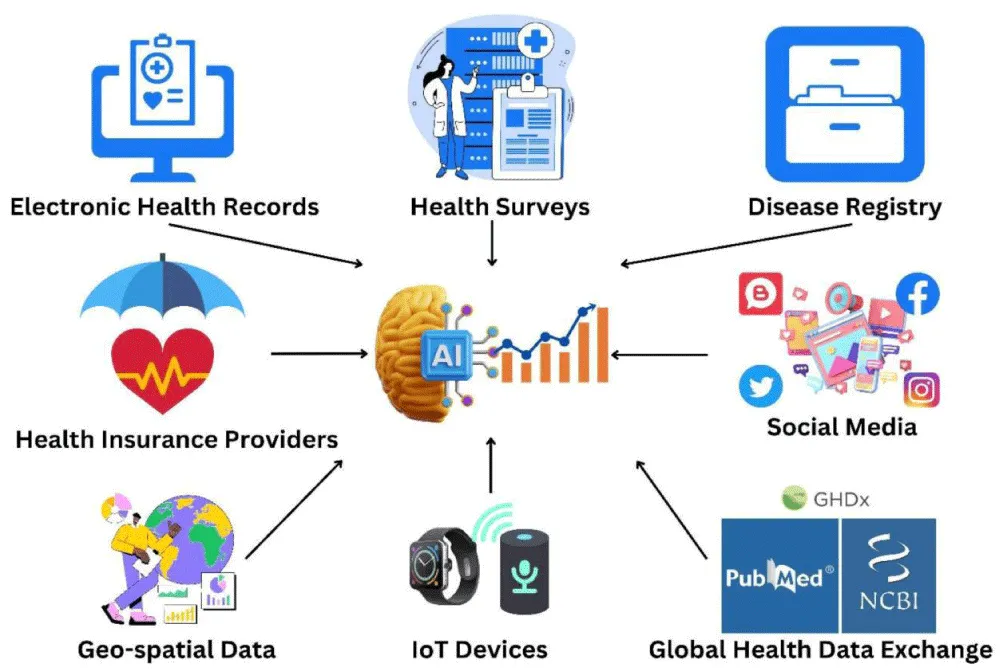
Figure 2: Role of AI in Disease Surveillance and Early Detection
Furthermore, AI can analyze health records and medical imaging data to identify patterns that may indicate the presence of a particular disease [33]. For instance, AI algorithms can analyze chest X-rays or CT scans to detect signs of COVID-19 pneumonia, helping healthcare providers diagnose and treat patients more effectively. In addition, AI-powered predictive models can forecast the spread of diseases based on various factors such as population density, travel patterns, and environmental conditions. By analyzing big data, AI can provide valuable insights into how a disease might spread and help authorities make informed decisions about resource allocation and public health interventions [34]. Overall, AI’s ability to analyze big data has been instrumental in disease surveillance and the early detection of COVID-19, enabling timely responses to mitigate the impact of the pandemic.
BlueDot, a Canadian AI company, utilized natural language processing (NLP) and ML to sift through vast amounts of data from various sources, such as news reports and airline ticketing data [35]. By analyzing this information, BlueDot was able to identify unusual patterns and trends that indicated the early spread of COVID-19, even before it was officially recognized by health authorities. For example, BlueDot’s AI algorithms detected an increase in reports of unusual pneumonia cases in Wuhan, China, and noticed a surge in flight bookings to and from that region [36]. By correlating these seemingly disparate data points, BlueDot’s system was able to raise an early warning about a potential outbreak. This early detection was crucial because it allowed public health officials and policymakers to respond more quickly and implement containment efforts to prevent the further spread of the virus. By providing actionable insights ahead of official announcements, BlueDot’s technology demonstrated the potential of AI in identifying and responding to global health threats in a timely manner.
AI has played a crucial role in developing predictive models for the spread of COVID-19. These models utilize various data points and factors to forecast the potential spread of the virus and help policymakers make informed decisions. One example of AI’s contribution is the use of ML algorithms to analyze population density and mobility patterns. By processing large datasets, AI can identify areas with high population density and predict potential hotspots for virus transmission [37]. This information allows policymakers to allocate resources such as testing kits, medical supplies, and healthcare personnel to these areas pre-emptively.
Moreover, AI can analyze mobility patterns using data from sources like mobile phones and GPS devices. By understanding how people move within and between regions, AI can predict the potential spread of the virus and help authorities implement targeted interventions, such as travel restrictions or localized lockdowns, to contain outbreaks [38]. Additionally, AI can analyze healthcare resources, including hospital capacities, availability of medical equipment, and healthcare personnel. By integrating this data with the predicted spread of the virus, AI can assist policymakers in making decisions about resource allocation, such as directing additional medical supplies or personnel to regions expected to experience a surge in cases. Overall, AI’s ability to process and analyze vast amounts of data has been invaluable in developing predictive models for COVID-19 spread. These models provide policymakers with actionable insights to make informed decisions about resource allocation and targeted interventions, ultimately aiding in the management and containment of the pandemic.
AI has played a crucial role in the fight against COVID-19, especially in the development of diagnostic tools [39]. ML algorithms have been trained to analyze medical imaging, such as chest X-rays and CT scans, to detect signs of the virus. These algorithms are capable of identifying patterns and anomalies in these images that may indicate the presence of COVID-19. For example, a DL model called COVID-Net was developed to analyze chest X-rays for signs of COVID-19 [40]. This model was trained on a large dataset of X-ray images, including those of patients with confirmed COVID-19 and those with other respiratory conditions. By learning from this diverse dataset, COVID-Net became adept at identifying specific visual markers associated with COVID-19 in X-ray images.
Similarly, AI has been used to analyze CT scans of the chest to aid in the diagnosis of COVID-19. By training ML algorithms on large volumes of CT scan data, researchers have been able to develop models capable of detecting characteristic patterns in the lungs that are indicative of the presence of the virus [41]. These AI-powered diagnostic tools have been particularly valuable in areas with limited access to traditional testing methods, as they provide a means of early identification of COVID-19 cases without relying solely on polymerase chain reaction (PCR) testing, which may not always be readily available. By leveraging AI for medical imaging analysis, healthcare professionals have been able to expedite the identification and isolation of COVID-19 cases, ultimately contributing to efforts to control the spread of the virus [42].
AI has played a crucial role in vaccine development and drug discovery for COVID-19. Application of AI in COVID-19 pandemic, as shown in Figure 3 [43]. Here are some ways in which AI has been utilized in these areas:
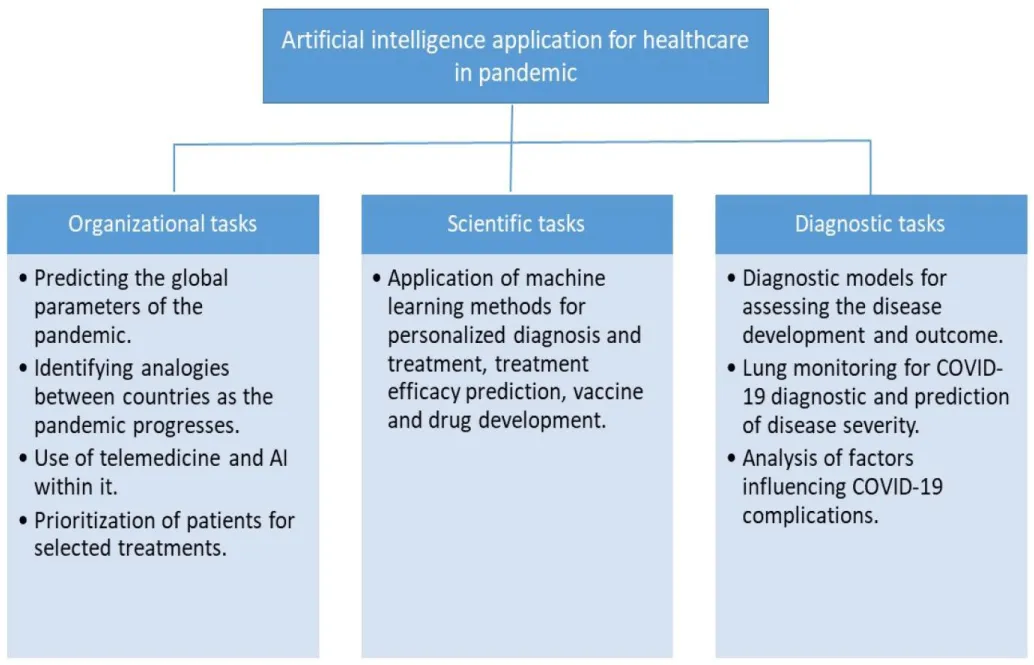
Figure 3: Application of AI in COVID-19 pandemic (Google Courtesy).
Vaccine design
AI algorithms have played a significant role in the fight against COVID-19 by analyzing the genetic sequence of the SARS-CoV-2 virus [44]. These algorithms are capable of identifying specific regions of the virus’s genetic code that are likely to produce an immune response in the human body. These regions, known as antigenic targets, are crucial for the development of effective vaccines. For example, AI algorithms can analyze the genetic sequence of the virus to identify regions that are highly conserved across different strains of the virus. These conserved regions are more likely to produce an immune response that can protect against multiple variants of the virus. By targeting these regions, vaccine developers can create vaccines that are more broadly effective.
Furthermore, AI algorithms can also predict the three-dimensional structure of viral proteins based on their genetic sequence [45]. This information is invaluable for designing vaccines that specifically target these proteins. For instance, the Pfizer-BioNTech and Moderna vaccines are mRNA vaccines that utilize the genetic information of the virus to instruct the body’s cells to produce a harmless piece of the virus, known as the spike protein. This prompts the immune system to produce an immune response, preparing the body to fight off the virus if it is encountered in the future.
Drug repurposing
AI has played a crucial role in identifying existing drugs that could be repurposed to treat COVID-19 [46]. Through the analysis of large datasets of drug compounds and their interactions with viral proteins, AI algorithms have been able to identify potential candidates for clinical trials. This process involves using ML and data mining techniques to sift through vast amounts of information and identify patterns that may indicate a drug’s potential effectiveness against COVID-19. For example, the drug Remdesivir, which was initially developed for the treatment of Ebola, was identified as a potential treatment for COVID-19 through AI-driven drug repurposing. By analyzing the molecular structure of Remdesivir and its interactions with viral proteins, AI algorithms were able to predict that it could be effective against the SARS-CoV-2 virus, which causes COVID-19 [47]. This led to clinical trials and subsequent approval for emergency use in treating COVID-19 patients.
Another example is the drug Baricitinib, which is used to treat rheumatoid arthritis. AI algorithms identified its potential to reduce inflammation and modulate the immune response, making it a candidate for repurposing to treat the severe inflammatory response seen in some COVID-19 patients [48]. This led to clinical trials and subsequent emergency use authorization for COVID-19 treatment. Overall, AI-driven drug repurposing has accelerated the identification of potential treatments for COVID-19 by leveraging the power of data analysis and ML to uncover new uses for existing drugs. This approach has the potential to rapidly identify effective treatments and save valuable time in the fight against emerging infectious diseases.
Clinical trials optimization
AI has played a crucial role in optimizing the design and execution of clinical trials for COVID-19 treatments and vaccines [49]. Here’s a detailed explanation with examples:
Patient data analysis: AI algorithms can analyze large volumes of patient data to identify patterns and correlations that may not be immediately apparent to human researchers. For example, AI can analyze electronic health records, genetic information, and other clinical data to identify specific patient populations that may respond better to certain treatments or vaccines [50]. This can help in designing more targeted and effective clinical trials.
Predicting outcomes: AI can be used to predict the outcomes of clinical trials based on various factors such as patient demographics, disease severity, and treatment regimens [51]. By leveraging machine learning models, researchers can gain insights into the potential efficacy and safety of different interventions, allowing them to make more informed decisions about trial design and patient selection.
Candidate identification: AI can assist in identifying suitable candidates for clinical trials by analyzing diverse data sources. For instance, natural language processing algorithms can sift through medical literature and patient records to identify individuals who meet specific eligibility criteria for a trial [52]. This can streamline the patient recruitment process and ensure that the right participants are enrolled in the study.
Dosing regimen optimization: AI can help optimize dosing regimens by analyzing pharmacokinetic and pharmacodynamics data to determine the most effective and safe dosage levels for treatments and vaccines [53]. By leveraging AI-driven simulations and modeling, researchers can identify optimal dosing strategies that maximize therapeutic benefits while minimizing potential side effects.
Overall, AI’s ability to process and analyze vast amounts of data has significantly accelerated the development of COVID-19 treatments and vaccines by informing more efficient and targeted clinical trial designs. This has not only expedited the research process but also improved the likelihood of identifying effective interventions for combating the pandemic.
Drug screening
AI-driven virtual screening of chemical compounds has indeed revolutionized the drug discovery process, especially in the context of identifying potential treatments for COVID-19. Here’s a detailed explanation of how this process works, along with some examples:
Virtual screening process: AI-driven virtual screening involves simulating the interactions between viral proteins (such as the spike protein of the SARS-CoV-2 virus) and small molecules (chemical compounds) [54]. This simulation is based on computational models and algorithms that predict how these molecules might bind to specific target proteins on the virus.
Database screening: Vast libraries of chemical compounds, often containing millions of molecules, are virtually screened using AI algorithms [55]. These libraries can include compounds with known pharmacological properties, as well as novel compounds that have not yet been tested in laboratory settings.
Identification of potential candidates: Through this virtual screening process, AI can rapidly identify compounds that show the highest potential for inhibiting viral replication. These compounds may exhibit characteristics such as strong binding affinity to viral proteins or the ability to disrupt essential viral processes.
Let’s consider a hypothetical example where AI-driven virtual screening identifies a small molecule compound from a library of chemical compounds. This compound is predicted to bind to a specific site on the viral spike protein, thereby interfering with the virus’s ability to enter human cells. Through computational modeling, the AI system predicts that this compound has a high likelihood of inhibiting viral replication.
Validation and optimization: Once potential drug candidates are identified through virtual screening, they undergo further validation using laboratory experiments and clinical studies. This iterative process involves refining the chemical structures of the compounds to enhance their efficacy, safety, and pharmacokinetic properties.
Real-world impact: AI-driven virtual screening has accelerated the drug discovery process for COVID-19 and other diseases, significantly reducing the time and resources required to identify promising drug candidates. This approach has the potential to bring new treatments to patients more rapidly, especially in the face of emerging viral threats.
Finally, AI-driven virtual screening of chemical compounds leverages computational models and algorithms to rapidly identify potential drug candidates for COVID-19 by simulating their interactions with viral proteins. This approach has the potential to transform the field of drug discovery and has already demonstrated its effectiveness in the search for treatments against the on-going pandemic.
Viral genomics and surveillance
AI has played a significant role in analyzing the genomic data of SARS-CoV-2, the virus responsible for COVID-19 [56]. By examining the genetic sequences of the virus, AI algorithms can track its evolution and identify potential mutations that may impact vaccine efficacy. Here’s a detailed explanation with examples:
Genomic data analysis
AI algorithms can rapidly analyze large genomic datasets of SARS-CoV-2 to identify patterns and mutations. For example, AI can compare the genetic sequences of different virus samples to detect changes in specific genes or regions of the virus’s genome [57].
Tracking virus spread: By analyzing genomic data, AI can help researchers understand how the virus is spreading and evolving in different regions. For instance, AI can identify clusters of related virus samples and track the movement of specific variants across different populations.
Identifying new variants: AI algorithms can detect the emergence of new virus variants by comparing genomic data from different time points. For example, AI can flag mutations that may lead to the development of a new variant with potentially different characteristics, such as increased transmissibility or resistance to existing treatments.
Vaccine development: AI can inform vaccine development efforts by predicting how potential mutations in the virus’s genome might impact vaccine efficacy. For instance, AI can analyze genomic data to anticipate how changes in the virus’s spike protein, which is targeted by many vaccines, could affect the virus’s ability to infect cells and evade immune responses.
Overall, AI’s ability to rapidly analyze large genomic datasets has been crucial in monitoring the evolution of SARS-CoV-2 and informing public health responses, vaccine development, and treatment strategies.
Finally, AI has significantly accelerated the pace of vaccine development and drug discovery for COVID-19 by enabling rapid analysis of large datasets, predicting molecular interactions, and optimizing clinical trial processes [58]. These advancements have been instrumental in the global effort to combat the pandemic.
AI-driven predictive modeling for epidemiological forecasting for COVID-19 has been a crucial tool in understanding and mitigating the impact of the virus. Epidemiology Forecasting of COVID-19 Using AI, as shown in Figure 4 [59]. By leveraging AI and ML techniques, researchers and public health officials have been able to analyze vast amounts of data to make predictions about the spread and impact of the virus. Here’s a detailed discussion with examples:
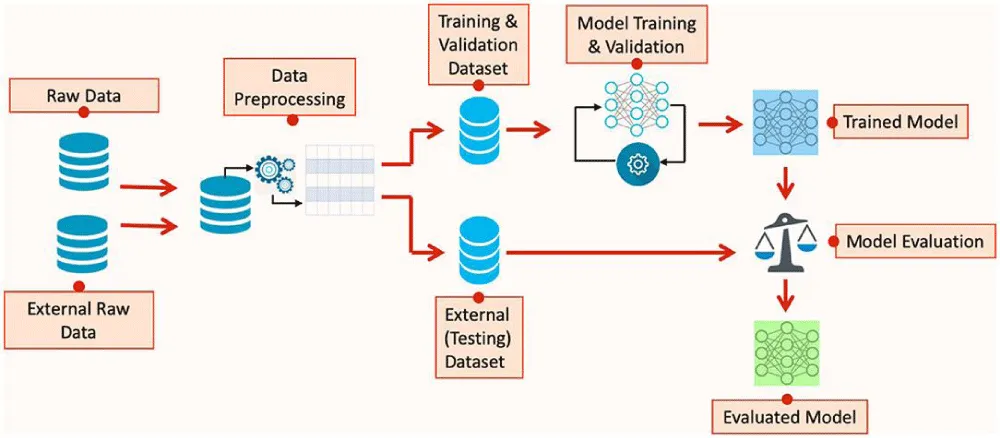
Figure 4: Epidemiology Forecasting of COVID-19 Using AI (Google Courtesy).
Data Analysis
AI models can be used to analyze a wide range of data to gain insights into various aspects of public health and disease spread. Here are some examples:
Demographic information: AI models can analyze demographic data to understand how different age groups, ethnicities, or socioeconomic backgrounds are affected by a virus [60]. For instance, researchers can use ML algorithms to identify patterns in infection rates among different demographic groups and tailor public health interventions accordingly.
Travel patterns: By analyzing travel patterns, AI models can help predict the spread of diseases. For example, researchers can use ML to analyze transportation data to understand how the movement of people between regions or countries contributes to the spread of infectious diseases [61]. This information can be used to inform travel restrictions or targeted interventions.
Social distancing measures: AI models can analyze data from various sources, such as social media, public surveys, or even video feeds, to assess the effectiveness of social distancing measures [62]. For instance, ML algorithms can be used to analyze images or videos to detect compliance with social distancing guidelines in public spaces.
Healthcare capacity: AI models can help predict healthcare resource needs by analyzing data on hospital admissions, ICU capacity, and the availability of medical supplies [63]. For example, ML algorithms can be used to forecast the demand for hospital beds or ventilators based on the trajectory of the disease spread, helping healthcare providers allocate resources more effectively.
Mobility data: As you mentioned, researchers can use ML algorithms to analyze mobility data from cell phones to understand how people’s movements impact the spread of the virus. For example, analyzing anonymized location data from mobile devices can provide insights into population movements and help identify high-risk areas for targeted interventions.
Finally, AI models can play a crucial role in analyzing diverse datasets to understand the dynamics of disease spread, assess the impact of public health interventions, and inform evidence-based decision-making in managing public health crises.
Predictive modeling
AI models can indeed be trained to forecast the spread of COVID-19 by analyzing various factors. These models can utilize historical data, current trends, and a range of variables to make predictions about the future trajectory of the virus. Here’s a detailed explanation with examples:
Historical data: AI models can analyze past COVID-19 infection rates, mortality rates, and the effectiveness of previous public health interventions [64]. By understanding how the virus has spread in the past, these models can identify patterns and trends that may help predict future outcomes.
Population density: Population density plays a significant role in the spread of COVID-19. AI models can take into account the population density of different regions and how it may impact the rate of transmission [65]. For example, densely populated urban areas may experience different transmission dynamics compared to rural areas.
Vaccination rates: The level of vaccination within a population can greatly influence the spread of COVID-19. AI models can incorporate vaccination rates, including the percentage of the population fully vaccinated and the types of vaccines administered. By doing so, these models can assess the potential impact of vaccination on future infection rates.
Effectiveness of public health measures: AI models can evaluate the effectiveness of public health measures such as mask mandates, social distancing policies, and lockdowns [4]. By analyzing how these measures have impacted the spread of the virus in the past, the models can make predictions about their potential impact on future transmission rates. For example, an AI model could analyze data from a city with high population density, low vaccination rates, and relaxed public health measures. Based on historical trends and current data, the model might forecast a potential surge in COVID-19 cases in the coming months.
Finally, AI models can leverage historical data, population density, vaccination rates, and the effectiveness of public health measures to forecast the spread of COVID-19 [67]. By considering these factors, these models can provide valuable insights to help public health officials and policymakers make informed decisions to mitigate the impact of the virus.
Resource allocation
AI-driven predictive models have been instrumental in helping public health officials make informed decisions during the COVID-19 pandemic. These models utilize various data sources, such as demographic information, travel patterns, and previous infection rates, to forecast potential hotspots of COVID-19 transmission [68]. By analyzing this data, predictive models can identify regions that are at higher risk of experiencing a surge in cases. For example, let’s consider a scenario where a predictive model analyzes data from a particular region and predicts a significant increase in COVID-19 cases based on factors such as population density, mobility patterns, and vaccination rates. Armed with this information, public health officials can proactively allocate additional hospital beds, ventilators, and personal protective equipment to that region to ensure they are prepared for the potential surge in cases. This proactive approach can help mitigate the impact of the virus and save lives by ensuring that healthcare resources are available where they are most needed.
Furthermore, predictive models can also assist in identifying trends and patterns in the spread of the virus, allowing officials to implement targeted interventions and public health measures in specific areas. For instance, if a predictive model indicates that a certain neighborhood or community is likely to experience a spike in COVID-19 cases, officials can focus their efforts on increasing testing capacity, implementing localized lockdowns, and promoting vaccination campaigns in that area.
Overall, AI-driven predictive models empower public health officials to make data-driven decisions and efficiently allocate resources to areas most at risk, ultimately helping to curb the spread of COVID-19 and minimize its impact on communities [69].
Intervention strategies
AI models can be used to analyze large sets of data to evaluate the effectiveness of various intervention strategies during a pandemic [70]. For example, let’s consider the impact of lockdowns. By using AI, policymakers can analyze data on infection rates before, during, and after lockdown periods to determine the effectiveness of these measures in controlling the spread of the virus. This analysis can help them understand the correlation between lockdowns and the reduction in transmission rates.
Similarly, AI can be used to assess the impact of mask mandates. By analyzing data on areas with and without mask mandates, AI models can help policymakers understand the extent to which mask-wearing affects the spread of the virus. They can also identify any variations in infection rates based on the strictness of mask mandates or compliance levels within different communities. Furthermore, AI can be instrumental in evaluating the effectiveness of vaccination campaigns [71]. By analyzing vaccination data and infection rates, AI models can help policymakers identify the impact of vaccination on reducing the spread of the virus. They can also assess the effectiveness of different vaccine types and distribution strategies.
Finally, AI can provide valuable insights by analyzing large-scale data, helping policymakers make informed decisions about which intervention strategies are most effective in controlling the outbreak. These data-driven insights can guide the allocation of resources and the implementation of targeted measures to mitigate the spread of the virus.
Public health messaging
AI-driven predictive models can indeed play a crucial role in informing public health messaging by analyzing various data sources to predict the potential impact of different messaging strategies on public behavior. For instance, by analyzing social media data, AI models can help identify which types of messaging are most effective in encouraging mask-wearing or vaccination uptake. Here’s a detailed explanation with examples:
Social media analysis: AI models can analyze large volumes of social media data to identify trends and sentiments related to public health behaviors such as mask-wearing and vaccination [72]. By examining the language used in posts, comments, and discussions, these models can determine which types of messaging are resonating with the public and driving positive behavior change. For example, they can identify whether messages emphasizing the importance of community protection, personal health benefits, or societal responsibility are more effective in promoting mask-wearing or vaccination.
Predictive modeling: AI models can use historical data on public health messaging and behavior to build predictive models that forecast the potential impact of different messaging strategies. By considering factors such as demographics, geographic location, and previous response to messaging, these models can estimate the likely effectiveness of new messaging campaigns. For instance, they can predict how different messaging approaches might influence vaccination uptake in specific communities or age groups.
A/B testing: AI-driven predictive models can facilitate A/B testing of different messaging strategies by simulating their potential impact on public behavior. For example, they can create virtual populations based on real-world data and expose them to different messaging scenarios to observe how each group responds. This allows public health authorities to experiment with various messaging approaches in a controlled environment before implementing them in real-world campaigns.
Real-time adaptation: AI models can continuously analyze incoming data from social media and other sources to adapt public health messaging in real time. By monitoring shifts in public sentiment and behavior, these models can recommend adjustments to messaging strategies to ensure they remain effective and relevant. For instance, if a particular messaging approach starts to lose its impact, the model can identify this early and suggest alternative strategies to maintain public engagement.
In summary, AI-driven predictive models can leverage social media data, historical information, and real-time analysis to inform public health messaging by predicting the potential impact of different strategies on public behavior. This can help public health authorities tailor their messaging to effectively promote behaviors such as mask-wearing and vaccination uptake, ultimately contributing to improved public health outcomes.
Finally, AI-driven predictive modeling for COVID-19 epidemiological forecasting has been instrumental in providing valuable insights for public health officials and policymakers. By leveraging the power of AI and ML, we can make more informed decisions to combat the spread and impact of the virus.
One example of AI-driven predictive modeling for COVID-19 is the use of ML algorithms to analyze large datasets of COVID-19 cases, demographic information, and mobility patterns to forecast the future spread of the virus. These models can take into account factors such as population density, travel patterns, and the effectiveness of public health measures to predict how the virus is likely to spread in different regions. Another example is the use of NLP to analyze social media and news data to track public sentiment and identify potential hotspots of misinformation or public concern. This can help public health authorities target their messaging and resources to address specific concerns and combat misinformation.
AI has shown great promise in the analysis of medical imaging data for the diagnosis and monitoring of COVID-19 patients. One notable application is the use of ML algorithms to interpret chest X-rays and CT scans, providing valuable insights to healthcare professionals. For instance, AI models can be trained to recognize specific patterns in chest X-rays that are indicative of COVID-19 infection. These patterns may include the presence of ground-glass opacities, consolidation, and other characteristic features associated with the disease. By analyzing large datasets of chest X-rays from COVID-19 patients, ML algorithms can learn to identify these patterns with a high degree of accuracy.
Similarly, in the case of CT scans, AI can assist in detecting and quantifying the extent of lung involvement caused by COVID-19. By analyzing the density and distribution of opacities in the lungs, AI algorithms can provide quantitative measurements that help healthcare professionals assess the severity of the infection and monitor the progression of the disease over time. One example of this is the work done by researchers at various institutions who have developed AI models capable of distinguishing COVID-19 pneumonia from other types of pneumonia based on CT imaging features. These models have demonstrated the potential to aid radiologists in making more accurate and efficient diagnoses, particularly in cases where the visual differences between COVID-19 pneumonia and other types of pneumonia are subtle [73].
Furthermore, AI can also be used to predict the risk of disease progression in COVID-19 patients based on imaging data. By analyzing a combination of clinical and imaging features, ML models can help identify patients who are at higher risk of developing severe complications, allowing healthcare providers to prioritize resources and interventions for those individuals.
AI-driven predictive modeling has indeed revolutionized many fields, including epidemiology, by enabling us to make sense of vast amounts of data and predict outcomes. However, as you rightly pointed out, these models have limitations. One significant limitation is the quality and quantity of the data used to train these models. If the data is biased, incomplete, or not representative of the population, the predictions made by the model may not be accurate. For example, if a predictive model for disease spread is trained on data from a specific region or demographic, it may not generalize well to other populations.
Another limitation is the dynamic nature of epidemiological systems. Outbreaks, pandemics, and other health-related events are influenced by a multitude of factors, many of which may not be captured in the data used to train the model. For instance, social and behavioral factors, policy changes, and environmental influences can all impact the spread of diseases, and these may not be fully accounted for in the model. Furthermore, predictive models are not a substitute for expert judgment. While they can provide valuable insights, they should be used in conjunction with other epidemiological tools and the expertise of public health professionals. For example, a predictive model may indicate a high likelihood of disease spread in a certain area, but it takes the expertise of epidemiologists and healthcare workers to interpret and act on this information effectively.
Finally, AI-driven predictive modeling for COVID-19 has the potential to significantly enhance our understanding of the virus and improve our ability to respond effectively to the pandemic.
AI-enabled diagnosis and prognosis of COVID-19 involves the use of AI to analyze medical data, such as symptoms, laboratory tests, and imaging results, to assist in the diagnosis and prediction of the progression of the disease. Figure 5 shows the COVID-19 symptoms, diagnosis, and management [74].
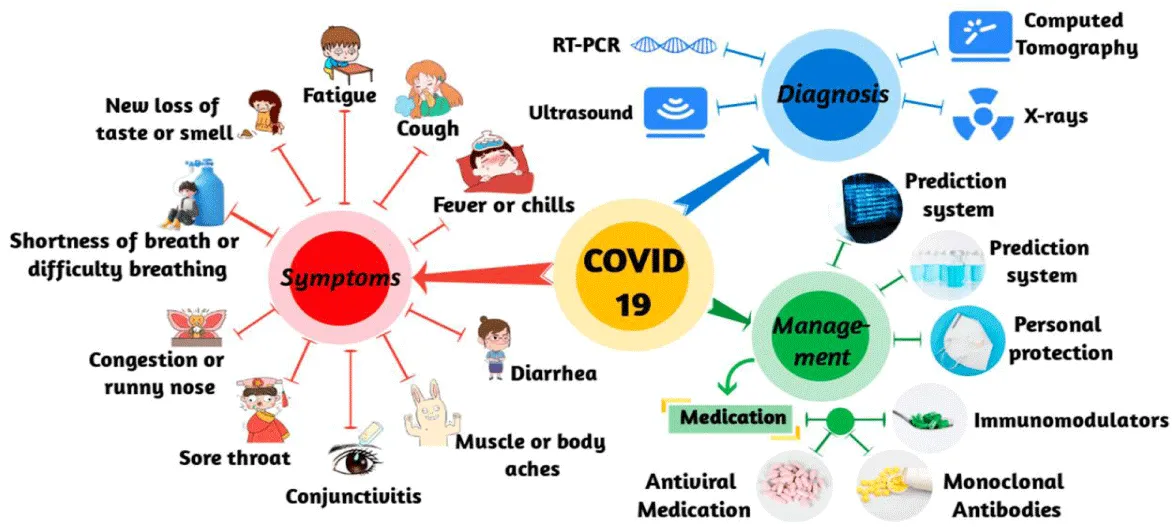
Figure 5: COVID-19 symptoms, diagnosis, and management (Google Courtesy).
AI can be used in various ways to aid in the management of COVID-19, including:
Diagnosis
AI algorithms have shown great promise in the field of medical imaging for detecting signs of COVID-19 pneumonia. DL models, a type of AI algorithm, can be trained to analyze chest X-rays and CT scans to identify patterns associated with COVID-19 infection [75]. For instance, these models can be trained on a large dataset of medical images, including those from patients with confirmed COVID-19 pneumonia and those without. By exposing the model to a diverse range of images, it can learn to recognize subtle patterns and features that are indicative of the disease.
One example of a pattern that a DL model might learn to identify is the presence of “ground glass opacities” in lung images. These opacities appear as hazy areas on the scans and are commonly associated with COVID-19 pneumonia. The model can be trained to detect and highlight these specific patterns, aiding healthcare providers in their diagnosis. Furthermore, AI algorithms can also assist in quantifying the extent of lung involvement, which can be crucial for tracking disease progression and assessing the severity of the infection. By analyzing the distribution and density of opacities in the lung images, these algorithms can provide quantitative measurements that help healthcare providers make more informed decisions.
Finally, the use of AI in medical imaging for COVID-19 diagnosis holds great potential for improving the speed and accuracy of diagnoses, ultimately leading to better patient outcomes [76]. However, it’s important to note that these AI tools should be used as aids to healthcare providers rather than replacements for clinical judgment.
Prognosis
AI can play a crucial role in analyzing a patient’s clinical data to predict disease progression and the need for intensive care [77]. By leveraging ML algorithms, AI can process vast amounts of patient data, including vital signs, laboratory results, and comorbidities, to identify patterns and make predictions. For example, in the context of COVID-19, AI models can be trained on data from a large number of patients to assess the risk of severe complications or mortality. These models can take into account various individual characteristics such as age, gender, pre-existing conditions, and specific laboratory values. By analyzing this data, AI can generate risk scores or probabilities that indicate the likelihood of a patient experiencing severe outcomes.
Let’s consider an example: Suppose a hospital has collected data from hundreds of COVID-19 patients, including their age, gender, blood oxygen levels, inflammatory markers, and pre-existing conditions. By feeding this data into a ML model, the AI system can learn to recognize patterns that are associated with severe disease progression. As a result, when a new patient arrives, the AI can analyze their data and provide a risk assessment, helping healthcare providers make informed decisions about the level of care and intervention needed. In this way, AI can assist healthcare professionals in identifying high-risk patients early, enabling proactive interventions and resource allocation to improve patient outcomes. Additionally, by continuously learning from new data, these AI models can adapt and improve over time, enhancing their predictive accuracy and clinical utility.
Drug discovery
AI has been instrumental in the search for potential drug candidates for COVID-19. By analyzing large datasets of molecular structures, biological pathways, and drug interactions, AI can help identify compounds that may be effective in treating the disease. One way AI accomplishes this is through virtual screening, where it sifts through vast libraries of molecular structures to identify those that are most likely to interact with the target proteins of the virus. For example, AI algorithms can analyze the structure of the SARS-CoV-2 virus and predict how certain compounds might bind to its proteins, potentially inhibiting its ability to infect human cells.
Furthermore, AI can also aid in the repurposing of existing drugs. By analyzing drug interactions and biological pathways, AI can identify drugs that are already approved for other conditions but may also have potential for treating COVID-19. For instance, if a drug is known to target a biological pathway that is relevant to the virus’s replication or the body’s immune response, AI can help prioritize these drugs for further investigation as potential COVID-19 treatments. In both cases, AI expedites the drug discovery process by rapidly narrowing down the pool of potential candidates, allowing researchers to focus their efforts on the most promising compounds [78]. This can significantly accelerate the development of new therapies and the repurposing of existing drugs for the management of COVID-19.
Public health surveillance
AI algorithms can be used to analyze diverse sources of data to track the spread of COVID-19 and forecast disease hotspots. Here’s a detailed explanation with examples:
Social media posts: AI algorithms can analyze social media posts to identify trends in COVID-19-related discussions [79]. For example, sentiment analysis can be used to gauge public attitudes towards the pandemic, and topic modeling can identify prevalent themes such as symptoms, testing, or vaccination. By analyzing these posts, public health officials can gain insights into public perceptions and concerns, which can inform targeted interventions and messaging.
Internet search trends: AI algorithms can analyze internet search trends to identify patterns related to COVID-19 symptoms, testing locations, and vaccine availability [80]. For instance, spikes in searches for specific symptoms in a particular geographic area could indicate a potential outbreak. By monitoring these trends, public health authorities can anticipate surges in demand for testing and healthcare resources, allowing for proactive allocation of resources.
Geospatial information: AI algorithms can process geospatial data, such as population density, mobility patterns, and healthcare facility locations, to identify areas at higher risk for COVID-19 transmission [81]. For example, analyzing mobility data can reveal areas with high population movement, which may indicate potential hotspots for virus transmission. This information can guide the allocation of testing resources and the implementation of targeted public health measures in high-risk areas.
By integrating and analyzing data from these diverse sources, AI algorithms can provide valuable insights into the spread of COVID-19, forecast disease hotspots, and support public health interventions. This can help public health authorities make data-driven decisions to effectively allocate resources, implement targeted interventions, and ultimately mitigate the impact of the pandemic.
Finally, AI-enabled diagnosis and prognosis of COVID-19 have the potential to enhance the efficiency and accuracy of healthcare delivery, improve patient outcomes, and contribute to the global response to the pandemic [82]. However, it’s important to note that AI tools should be used as decision support systems and not as a replacement for clinical judgment by healthcare professionals.
AI-assisted contact tracing and monitoring for COVID-19 involves using AI to track and analyze the interactions and movements of individuals who have tested positive for the virus, as well as those who may have been exposed to it [9]. Here’s a detailed explanation with examples:
Contact tracing
AI can play a crucial role in contact tracing for COVID-19 by analyzing various data sources to identify and notify individuals who may have been in close contact with an infected person. Here’s a detailed explanation with examples:
Mobile phone data: AI algorithms can analyze location data from mobile phones to track the movements of individuals. For example, if an individual tests positive for COVID-19, their recent location history can be used to identify other mobile devices that were in close proximity. This information can then be used to notify those individuals about potential exposure.
Credit card transactions: By analyzing credit card transaction data, AI can identify individuals who made purchases at the same location and time as an infected person [83]. For instance, if someone tested positive and had recently visited a grocery store, AI algorithms can identify other customers who were present at the same time and notify them about potential exposure.
Public transportation records: AI can analyze public transportation records to identify individuals who may have been in close proximity to an infected person during their commute [84]. For example, if an individual tests positive and used public transportation, AI algorithms can identify other passengers who were on the same route and alert them about potential exposure.
By leveraging AI to analyze these diverse data sources, public health authorities can efficiently identify and notify individuals who may have been exposed to COVID-19, thereby helping to contain the spread of the virus.
Example: A contact tracing app uses AI to analyze Bluetooth signals from nearby smartphones to determine when two users have been in close proximity for an extended period. If one user later tests positive for COVID-19, the app can notify the other user of potential exposure and provide guidance on next steps. The flow chart in Figure 6 shows the complete process of implementing the COVID-19 contact tracing and case monitoring app [85].
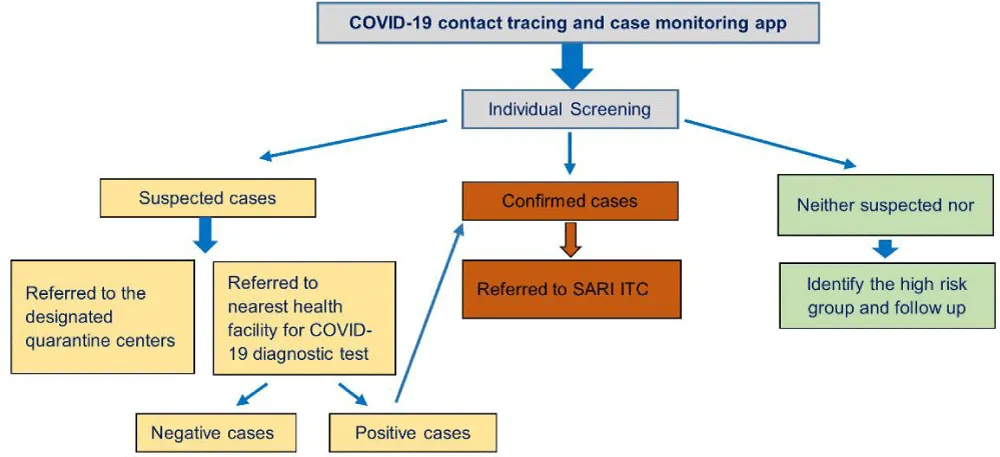
Figure 6: COVID-19 contact tracing and case monitoring app implementation process (Google Courtesy).
Monitoring and prediction
AI can be used to analyze social media posts to track public sentiment and behavior related to the virus. For example, if there’s a sudden increase in posts about symptoms in a particular area, it could indicate a potential outbreak. Similarly, monitoring internet search trends for terms related to symptoms or testing locations can provide early indications of where the virus might be spreading. Healthcare records can also be analyzed to identify patterns and trends in the spread of the virus. For instance, AI can process large volumes of patient data to identify clusters of cases or demographic groups that are particularly affected. This information can help public health officials allocate resources such as testing kits, medical supplies, and personnel to areas that are at higher risk of outbreaks.
By combining these data sources, AI can help predict potential hotspots or outbreaks, allowing public health officials to implement targeted interventions. For example, if social media and search data indicate a surge in interest in testing in a specific region, officials can proactively set up testing sites and launch public awareness campaigns in that area to contain the spread. Overall, AI’s ability to analyze diverse data sources can provide valuable insights for public health officials to make informed decisions and takes proactive measures to control the spread of the virus.
Compliance monitoring
AI can be used to monitor individuals who are required to quarantine or isolate by employing various technologies such as location tracking and video analysis. Here’s a detailed explanation with examples:
Location tracking: AI can utilize GPS data from individuals’ smartphones to ensure that they are staying within the designated quarantine or isolation area [86]. If an individual leaves the specified area, alerts can be triggered for authorities to take appropriate action. For instance, if someone is supposed to be quarantining at home, AI can monitor their movements and send alerts if they leave the premises.
Video analysis: AI-powered cameras can be used to visually monitor individuals to ensure they are following public health guidelines. For example, if someone is required to isolate in a specific room, AI can analyze live video feeds to confirm that they are staying in the designated area. If the individual is observed leaving the room, alerts can be sent to authorities for intervention.
Facial recognition: AI can be employed to verify the identity of individuals in quarantine or isolation through facial recognition technology [87]. This can help ensure that the right person is adhering to the guidelines and not someone else on their behalf.
Anomaly detection: AI algorithms can be trained to detect unusual behavior, such as multiple people entering and leaving the quarantine area, or prolonged absence from the designated location [88]. This can help authorities identify potential breaches of quarantine protocols. It’s important to note that the use of AI for monitoring individuals in quarantine or isolation raises privacy and ethical considerations. Proper consent, transparency, and data protection measures should be in place to safeguard individuals’ rights and privacy.
Overall, AI can play a crucial role in assisting authorities to monitor and ensure compliance with quarantine and isolation guidelines, thereby helping to mitigate the spread of infectious diseases.
Finally, AI-assisted contact tracing and monitoring for COVID-19 can help public health authorities identify and contain outbreaks more effectively, ultimately contributing to the control of the pandemic.
Ethical and privacy considerations are crucial when implementing AI for COVID-19-related purposes. Here are some key points to consider:
Data privacy: When using AI for COVID-19 tracking or contact tracing, it’s essential to ensure that individuals’ privacy is protected. For example, if a mobile app is used for contact tracing, it should collect only necessary data and ensure that the data is anonymized to prevent the identification of individuals [89, 90].
Bias and fairness: AI algorithms used in COVID-19 diagnosis or treatment should be carefully designed to avoid bias [91]. For instance, if AI is used to prioritize patients for treatment, it should not discriminate based on factors such as race, gender, or socioeconomic status.
Transparency: It’s important to be transparent about the use of AI in COVID-19-related applications [92]. People should be informed about how their data is being used and how AI is influencing decision-making processes.
Informed consent: When collecting data for AI-driven COVID-19 research or analysis, obtaining informed consent from individuals is crucial [93]. They should understand how their data will be used and have the option to opt out if they choose.
Accountability: There should be clear accountability for the decisions made by AI systems in the context of COVID-19 [94]. If an AI algorithm is used to make critical decisions, there should be mechanisms in place to review and challenge those decisions.
Security: Given the sensitive nature of COVID-19-related data, it’s important to ensure that AI systems used to analyze or store this data are secure from cyber threats and unauthorized access [95-97].
Equitable access: When deploying AI for COVID-19-related purposes, efforts should be made to ensure that all segments of the population have equitable access to the benefits of AI technologies, regardless of socioeconomic status or geographic location [98].
For example, in the context of COVID-19 testing, AI-powered algorithms can be used to analyze medical imaging data to assist in the diagnosis of the virus. However, it’s crucial to ensure that these algorithms are trained on diverse and representative datasets to avoid biases in their predictions. Additionally, the use of AI in contact tracing apps should prioritize privacy by employing techniques such as differential privacy to protect individuals’ identities while still providing valuable insights into the spread of the virus.
Finally, ethical and privacy considerations should be at the forefront of AI implementation for COVID-19. Figure 7 has brought attention to the numerous ethical and privacy issues linked to the utilization of AI in healthcare environments. By addressing these considerations, we can harness the power of AI to combat the pandemic while respecting individuals’ rights and maintaining trust in these technologies.
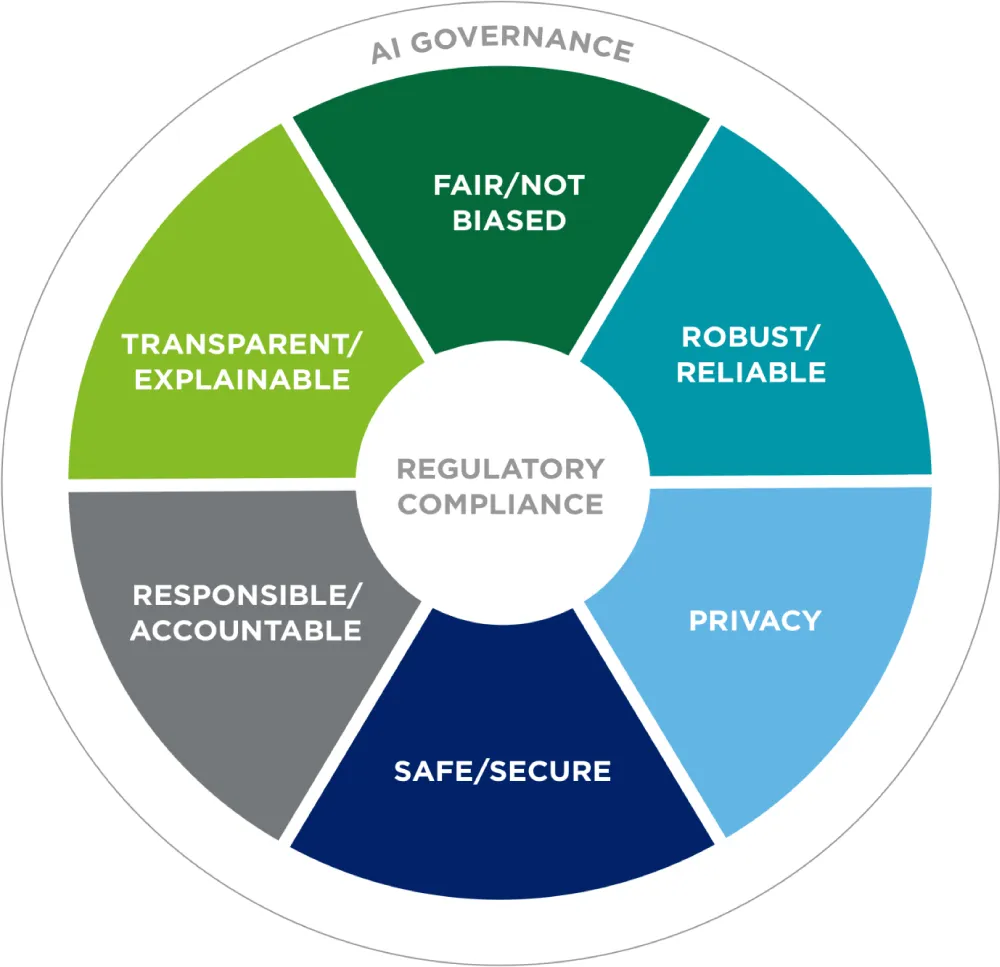
Figure 7: Ethical and Privacy issues of AI in healthcare (Google Courtesy).
The literature demonstrates that AI has been applied across the COVID-19 response continuum, but the evidence is uneven across domains. Early-warning and forecasting systems can process heterogeneous temporal and mobility data, whereas imaging systems primarily address detection or quantification and clinical models focus on severity and prognosis. Therapeutic and vaccine applications often operate at the discovery or prioritization stage rather than at the level of demonstrated clinical effectiveness. Consequently, AI applications should not be treated as a single homogeneous class of interventions.
A central contribution of this review is a response-pathway framework that connects each AI application with the data required, the decision it is intended to support, the evidence needed for validation, and the principal implementation risks. The framework distinguishes technical performance from translational readiness. A model may achieve high retrospective accuracy while remaining unsuitable for deployment if its training population is narrow, its validation data are not independent, its calibration is poor, or its predictions cannot be integrated safely into clinical workflows.
Recent evidence reinforces this distinction. A 2024 systematic review and meta-analysis of AI models for severe COVID-19 prognosis reported promising aggregate performance, particularly for models combining clinical and imaging data, but also found substantial heterogeneity and concluded that full applicability in clinical practice remains uncertain [104]. A 2024 review of innovative AI applications similarly identified model generalization, data quality, infrastructure readiness, and ethical risks as barriers to real-world translation [103]. A 2025 comprehensive survey reported that COVID-19 detection remains much more common than post-COVID complication analysis and that multimodal models, transformers, and federated learning remain comparatively underused [105].
The review therefore identifies five cross-cutting requirements for responsible translation: (1) representative and well-curated datasets; (2) independent external validation and transparent reporting; (3) clinically meaningful outcomes and calibration rather than accuracy alone; (4) privacy, security, fairness, and explainability safeguards; and (5) prospective evaluation within real workflows. These requirements provide a practical bridge between algorithm development and clinical/public-health implementation and distinguish this review from purely descriptive catalogues of AI applications.
The framework also highlights a recurring trade-off between centralization and privacy. Centralized learning can simplify data aggregation and model development but may increase privacy and governance risks. Federated and privacy-preserving approaches can facilitate multi-institutional learning without requiring all raw data to be pooled, but introduce challenges related to communication, statistical heterogeneity, security, and governance. Future pandemic AI systems are therefore likely to require coordinated multimodal, privacy-preserving, and human-centered architectures rather than isolated single-task models [58,89,95,96,105].
AI-based COVID-19 diagnosis faces several challenges, including:
One of the primary challenges is the availability of high-quality data for training AI models. The accuracy of AI diagnosis heavily relies on the quality and quantity of data used for training [33]. In the case of COVID-19, obtaining large and diverse datasets that accurately represent the various manifestations of the disease can be difficult.
Another challenge is the rapid mutation of the virus. COVID-19 has shown the ability to mutate, leading to the emergence of new variants. AI models trained on previous data may struggle to accurately diagnose these new variants without additional training data, potentially leading to misdiagnosis.
Furthermore, the interpretability of AI-based diagnosis is crucial. Clinicians and patients need to understand the reasoning behind AI-generated diagnoses to trust and act upon them. Ensuring that AI models provide transparent and interpretable results is a significant challenge in the field.
Additionally, there are regulatory and ethical considerations surrounding AI-based diagnosis [99]. Ensuring patient privacy, obtaining consent for data usage, and navigating the complex regulatory landscape for medical AI applications are all significant challenges that need to be addressed.
Lastly, the integration of AI-based diagnosis into existing healthcare systems poses a challenge. Implementing AI tools in a way that complements existing diagnostic processes and workflows without creating additional burden on healthcare providers is crucial for successful adoption.
Addressing these challenges will be essential for the successful integration of AI-based COVID-19 diagnosis into clinical practice. The collaboration of experts from different disciplinary fields is crucial in understanding and combating COVID-19. For example, virologists can provide insights into the behavior and structure of the virus, epidemiologists can track its spread and analyze patterns, immunologists can study the body’s immune response, and public health experts can devise strategies for prevention and control.
Furthermore, the involvement of data scientists can help in analyzing large datasets to identify trends and patterns, while behavioral scientists can contribute by understanding human behavior and compliance with public health measures. Additionally, medical professionals from various specialties can provide clinical perspectives and treatment approaches. By bringing together these diverse experts, a more comprehensive understanding of COVID-19 can be achieved, leading to more effective strategies for prevention, treatment, and control of the disease.
Factors to consider when using AI for COVID-19 diagnosis
When using AI to diagnose COVID-19, it’s important to think about a few things to make sure the results are right and trustworthy. Some of these things are:
Data quality: The quality and quantity of data used to train the AI model are crucial. It’s important to ensure that the data used is diverse, representative, and free from biases. For COVID-19 diagnosis, the AI model should be trained on a wide range of patient data, including demographics, symptoms, and test results.
Model interpretability: The ability to interpret and understand the decisions made by the AI model is essential, especially in the context of healthcare. Clinicians need to trust and understand the reasoning behind the AI’s diagnosis. Therefore, using models that provide explanations for their predictions is crucial.
Regulatory compliance: Compliance with healthcare regulations and standards is vital when using AI for COVID-19 diagnosis [100]. The AI system must adhere to data privacy laws and medical regulations to ensure patient confidentiality and safety.
Validation and testing: Rigorous validation and testing of the AI model on diverse and independent datasets are necessary to assess its performance and generalizability. This helps in identifying any biases or limitations of the model.
Clinical integration: The AI system should seamlessly integrate into the existing clinical workflow to provide meaningful support to healthcare professionals [101]. This includes considerations for user interface design, ease of use, and compatibility with existing healthcare systems.
An example of using AI for COVID-19 diagnosis is the development of a DL model that analyses chest X-rays to detect COVID-19 pneumonia. Figure 8 illustrates the use of DL for detecting and analyzing COVID-19 in chest X-ray images [102]. This model would need to consider the factors mentioned above to ensure its effectiveness and reliability in clinical practice. By training the model on a large and diverse dataset of chest X-rays, ensuring interpretability of its decisions, complying with healthcare regulations, validating its performance on independent datasets, and integrating it into the existing clinical workflow, the AI system can provide valuable support to radiologists and clinicians in diagnosing COVID-19 [103].
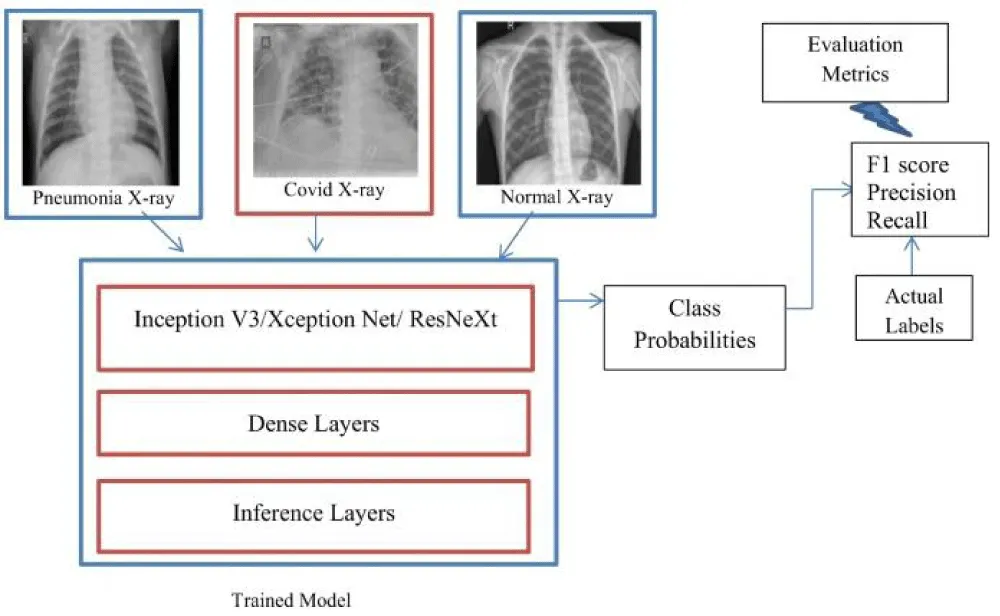
Figure 8: Deep learning-based detection and analysis of COVID-19 on chest X-ray images.
Future directions in this field may involve the development of AI systems that can integrate data from various sources, including wearable devices and electronic health records, to provide a comprehensive view of an individual’s health status. Furthermore, AI can be utilized to predict the progression of the disease in patients, helping healthcare providers make informed decisions about treatment and resource allocation.
However, it’s important to address challenges such as data privacy, algorithm bias, and regulatory considerations to ensure the responsible and ethical deployment of AI in COVID-19 diagnosis. Continued research and collaboration between AI experts, healthcare professionals, and policymakers will be crucial in advancing the use of AI for the diagnosis of COVID-19 and other infectious diseases.
In conclusion, AI has become an important research and decision-support technology across multiple stages of the COVID-19 response, including surveillance, epidemiological forecasting, medical imaging, prognosis, therapeutic discovery, genomic analysis, contact tracing, and resource planning. The evidence reviewed in this manuscript supports the potential of AI to improve the speed and scale of data analysis, but it does not justify treating retrospective model performance as equivalent to clinical effectiveness. Data representativeness, external validation, calibration, interpretability, fairness, privacy, cybersecurity, regulatory oversight, and integration into clinical and public-health workflows remain decisive factors for safe implementation.
The revised review contributes a unified response-pathway framework that organizes AI applications according to the decision they support and evaluates them against common translational requirements. Recent literature indicates continuing opportunities for multimodal learning, federated and privacy-preserving AI, explainable models, and longitudinal monitoring, while also demonstrating that substantial methodological and implementation gaps remain [103-105]. Future research should therefore prioritize multicenter and prospective evaluation, transparent reporting, robust external validation, subgroup and fairness assessment, and human-centered integration. Such an approach can help move AI from promising experimental capability toward responsible and evidence-based support for clinical care, public-health preparedness, and future infectious-disease emergencies.
Declarations
Ethical considerations: This article is a review of previously published literature and does not involve recruitment of human participants, collection of new patient data, animal experimentation, or intervention with human subjects. Accordingly, institutional ethics approval was not required for the review itself.
Consent for publication: Not applicable. The revised manuscript does not report identifiable individual patient data or previously unpublished patient images.
Funding: No specific external funding was received for the preparation of this review.
Conflict of interest: The authors declare that they have no known competing financial interests or personal relationships that could have appeared to influence the work reported in this manuscript.
Author contributions: All authors contributed to the conception and scope of the review, literature interpretation, manuscript preparation, critical revision, and approval of the final manuscript. The corresponding author coordinated the revision and response to reviewer comments.
Data availability: No new dataset was generated for this review. The evidence synthesized in the manuscript is derived from published literature and publicly accessible sources cited in the reference list.
Use of artificial intelligence in manuscript
preparation: Generative AI-assisted tools were used during the revision process to support language editing, organization of the review, and identification of areas requiring clarification. The authors reviewed and verified the revised content, citations, interpretations, and final manuscript and remain fully responsible for its accuracy and integrity.
- Zhu H, Wei L, Niu P. The novel coronavirus outbreak in Wuhan, China. Glob Health Res Policy. 2020;5:1-3. Available from: https://doi.org/10.1186/s41256-020-00135-6
- World Health Organization. WHO Director-General’s opening remarks at the media briefing on COVID-19. 2020.
- Almaghaslah D, Kandasamy G, Almanasef M, Vasudevan R, Chandramohan S. Review on the coronavirus disease (COVID‐19) pandemic: its outbreak and current status. Int J Clin Pract. 2020;74(11):e13637. Available from: https://doi.org/10.1111/ijcp.13637
- Talic S, Shah S, Wild H, Gasevic D, Maharaj A, Ademi Z, et al. Effectiveness of public health measures in reducing the incidence of covid-19, SARS-CoV-2 transmission, and covid-19 mortality: systematic review and meta-analysis. BMJ. 2021;375. Available from: https://doi.org/10.1136/bmj-2021-068302
- da Silva RGL, Chammas R, Novaes HMD. Rethinking approaches of science, technology, and innovation in healthcare during the COVID-19 pandemic: the challenge of translating knowledge infrastructures to public needs. Health Res Policy Syst. 2021;19(1):1-9. Available from: https://doi.org/10.1186/s12961-021-00760-8
- Chen J, Li K, Zhang Z, Li K, Yu PS. A survey on applications of artificial intelligence in fighting against COVID-19. ACM Comput Surv. 2021;54(8):1-32.
- Agbehadji IE, Awuzie BO, Ngowi AB, Millham RC. Review of big data analytics, artificial intelligence and nature-inspired computing models towards accurate detection of COVID-19 pandemic cases and contact tracing. Int J Environ Res Public Health. 2020;17(15):5330. Available from: https://doi.org/10.3390/ijerph17155330
- Wang S, Kang B, Ma J, Zeng X, Xiao M, Guo J, et al. A deep learning algorithm using CT images to screen for Corona Virus Disease (COVID-19). Eur Radiol. 2021;31:6096-104. Available from: https://doi.org/10.1007/s00330-021-07715-1
- Shorten C, Khoshgoftaar TM, Furht B. Deep Learning applications for COVID-19. J Big Data. 2021;8(1):1-54. Available from: https://doi.org/10.1186/s40537-020-00392-9
- Khan M, Mehran MT, Haq ZU, Ullah Z, Naqvi SR, Ihsan M, Abbass H. Applications of artificial intelligence in COVID-19 pandemic: A comprehensive review. Expert Syst Appl. 2021;185:115695. Available from: https://doi.org/10.1016/j.eswa.2021.115695
- Wang XV, Wang L. A literature survey of the robotic technologies during the COVID-19 pandemic. J Manuf Syst. 2021;60:823-36. Available from: https://doi.org/10.1016/j.jmsy.2021.02.005
- Bajwa J, Munir U, Nori A, Williams B. Artificial intelligence in healthcare: transforming the practice of medicine. Future Healthc J. 2021;8(2):e188. Available from: https://doi.org/10.7861/fhj.2021-0095
- Pham QV, Nguyen DC, Huynh-The T, Hwang WJ, Pathirana PN. Artificial intelligence (AI) and big data for coronavirus (COVID-19) pandemic: a survey on the state-of-the-arts. IEEE Access. 2020;8:130820-39. Available from: https://doi.org/10.1109/access.2020.3009328
- Rasheed J, Jamil A, Hameed AA, Al-Turjman F, Rasheed A. COVID-19 in the age of artificial intelligence: a comprehensive review. Interdiscip Sci Comput Life Sci. 2021;13:153-75. Available from: https://doi.org/10.1007/s12539-021-00431-w
- Bansal A, Padappayil RP, Garg C, Singal A, Gupta M, Klein A. Utility of artificial intelligence amidst the COVID-19 pandemic: a review. J Med Syst. 2020;44:1-6. Available from: https://doi.org/10.1007/s10916-020-01617-3
- Rahimi I, Gandomi AH, Asteris PG, Chen F. Analysis and prediction of COVID-19 Using SIR, SEIQR, and machine learning models: Australia, Italy, and UK Cases. Information. 2021;12(3):109.
- Kumar S, Raut RD, Narkhede BE. A proposed collaborative framework by using artificial intelligence-internet of things (AI-IoT) in COVID-19 pandemic situation for healthcare workers. Int J Healthc Manag. 2020;13(4):337-45.
- Richardson P, Griffin I, Tucker C, Smith D, Oechsle O, Phelan A, et al. Baricitinib as potential treatment for 2019-nCoV acute respiratory disease. Lancet. 2020;395(10223):e30-1. Available from: https://doi.org/10.1016/s0140-6736(20)30304-4
- Jamshidi M, Roshani S, Talla J, Lalbakhsh A, Peroutka Z, Roshani S, et al. A review on potentials of artificial intelligence approaches to forecasting COVID-19 spreading. Preprint. 2021.
- Salgotra R, Gandomi M, Gandomi AH. Evolutionary modelling of the COVID-19 pandemic in fifteen most affected countries. Chaos Solitons Fractals. 2020;140:110118.
- Shinde GR, Kalamkar AB, Mahalle PN, Dey N, Chaki J, Hassanien AE. Forecasting models for coronavirus disease (COVID-19): a survey of the state-of-the-art. SN Comput Sci. 2020;1:1-15.
- Albahri OS, Zaidan AA, Albahri AS, Zaidan BB, Abdulkareem KH, Al-Qaysi ZT, et al. Systematic review of artificial intelligence techniques in the detection and classification of COVID-19 medical images in terms of evaluation and benchmarking: taxonomy analysis, challenges, future solutions and methodological aspects. J Infect Public Health. 2020;13(10):1381-96.
- Ahmad F, Almuayqil SN, Humayun M, Naseem S, Khan WA, Junaid K. Prediction of COVID-19 cases using machine learning for effective public health management. Comput Mater Contin. 2021;66:2265-82.
- Monshi MMA, Poon J, Chung V. Deep learning in generating radiology reports: a survey. Artif Intell Med. 2020;106:101878.
- Jalaber C, Lapotre T, Morcet-Delattre T, Ribet F, Jouneau S, Lederlin M. Chest CT in COVID-19 pneumonia: a review of current knowledge. Diagn Interv Imaging. 2020;101(7-8):431-7.
- Dong J, Wu H, Zhou D, Li K, Zhang Y, Ji H, et al. Application of big data and artificial intelligence in COVID-19 prevention, diagnosis, treatment and management decisions in China. J Med Syst. 2021;45(9):84.
- Asteris PG, Gavriilaki E, Touloumenidou T, Koravou EE, Koutra M, Papayanni PG, et al. Genetic prediction of ICU hospitalization and mortality in COVID-19 patients using artificial neural networks. J Cell Mol Med. 2022;26(5):1445-55.
- Shi F, Wang J, Shi J, Wu Z, Wang Q, Tang Z, et al. Review of artificial intelligence techniques in imaging data acquisition, segmentation, and diagnosis for COVID-19. IEEE Rev Biomed Eng. 2020;14:4-15.
- Merkoçi A, Li CZ, Lechuga LM, Ozcan A. COVID-19 biosensing technologies. Biosens Bioelectron. 2021;178:113046.
- Maheshwari V, Mahmood MR, Sravanthi S, Arivazhagan N, ParimalaGandhi A, Srihari K, et al. Nanotechnology-based sensitive biosensors for COVID-19 prediction using fuzzy logic control. J Nanomater. 2021;2021:1-8.
- Gudigar A, Raghavendra U, Nayak S, Ooi CP, Chan WY, Gangavarapu MR, et al. Role of artificial intelligence in COVID-19 detection. Sensors. 2021;21(23):8045.
- Anjaria P, Asediya V, Bhavsar P, Pathak A, Desai D, Patil V. Artificial intelligence in public health: revolutionizing epidemiological surveillance for pandemic preparedness and equitable vaccine access. Vaccines (Basel). 2023;11(7):1154.
- Piccialli F, Di Cola VS, Giampaolo F, Cuomo S. The role of artificial intelligence in fighting the COVID-19 pandemic. Inf Syst Front. 2021;23(6):1467-97.
- Liang H, Tsui BY, Ni H, Valentim CC, Baxter SL, Liu G, et al. Evaluation and accurate diagnoses of pediatric diseases using artificial intelligence. Nat Med. 2019;25(3):433-8.
- Bragazzi NL, Dai H, Damiani G, Behzadifar M, Martini M, Wu J. How big data and artificial intelligence can help better manage the COVID-19 pandemic. Int J Environ Res Public Health. 2020;17(9):3176.
- Behura A. The cluster analysis and feature selection: perspective of machine learning and image processing. In: Data Analytics in Bioinformatics: A Machine Learning Perspective. 2021. p. 249-80.
- Rehman SU, Shafqat F, Niaz K. Recent artificial intelligence methods and coronaviruses. In: Application of Natural Products in SARS-CoV-2. Academic Press; 2023. p. 353-80.
- Sharma PD, Rallapalli S, Lakkaniga NR. An innovative approach for predicting pandemic hotspots in complex wastewater networks using graph theory coupled with fuzzy logic. Stoch Environ Res Risk Assess. 2023:1-18.
- Fong SJ, Dey N, Chaki J. Artificial intelligence for coronavirus outbreak. Springer. 2021.
- Arora N, Banerjee AK, Narasu ML. The role of artificial intelligence in tackling COVID-19. Future Virol. 2020;15(11):717-24.
- Khan AI, Shah JL, Bhat MM. CoroNet: a deep neural network for detection and diagnosis of COVID-19 from chest x-ray images. Comput Methods Programs Biomed. 2020;196:105581.
- Delli Pizzi A, Chiarelli AM, Chiacchiaretta P, Valdesi C, Croce P, Mastrodicasa D, et al. Radiomics-based machine learning differentiates “ground-glass” opacities due to COVID-19 from acute non-COVID-19 lung disease. Sci Rep. 2021;11(1):17237.
- Arora G, Joshi J, Mandal RS, Shrivastava N, Virmani R, Sethi T. Artificial intelligence in surveillance, diagnosis, drug discovery and vaccine development against COVID-19. Pathogens. 2021;10(8):1048.
- Nawaz MS, Fournier-Viger P, Shojaee A, Fujita H. Using artificial intelligence techniques for COVID-19 genome analysis. Appl Intell. 2021;51:3086-103.
- Jain A, Tiwari S. Prediction and visualisation of viral genome antigen using deep learning & artificial intelligence. In: 2021 5th International Conference on Computing Methodologies and Communication (ICCMC). IEEE; 2021. p. 1430-7.
- Zhou Y, Wang F, Tang J, Nussinov R, Cheng F. Artificial intelligence in COVID-19 drug repurposing. Lancet Digit Health. 2020;2(12):e667-76.
- Yuvaraj N, Srihari K, Chandragandhi S, Raja RA, Dhiman G, Kaur A. Analysis of protein-ligand interactions of SARS-CoV-2 against selective drug using deep neural networks. Big Data Min Anal. 2021;4(2):76-83.
- Nayak SS, Naidu A, Sudhakaran SL, Vino S, Selvaraj G. Prospects of novel and repurposed immunomodulatory drugs against acute respiratory distress syndrome (ARDS) associated with COVID-19 disease. J Pers Med. 2023;13(4):664.
- Bhattamisra SK, Banerjee P, Gupta P, Mayuren J, Patra S, Candasamy M. Artificial intelligence in pharmaceutical and healthcare research. Big Data Cogn Comput. 2023;7(1):10.
- Alowais SA, Alghamdi SS, Alsuhebany N, Alqahtani T, Alshaya AI, Almohareb SN, et al. Revolutionizing healthcare: the role of artificial intelligence in clinical practice. BMC Med Educ. 2023;23(1):689.
- Ickovics JR, Meisler AW. Adherence in AIDS clinical trials: a framework for clinical research and clinical care. J Clin Epidemiol. 1997;50(4):385-91.
- Kersloot MG, van Putten FJ, Abu-Hanna A, Cornet R, Arts DL. Natural language processing algorithms for mapping clinical text fragments onto ontology concepts: a systematic review and recommendations for future studies. J Biomed Semantics. 2020;11:1-21.
- Rodríguez-Gascón A, Solinís MÁ, Isla A. The role of PK/PD analysis in the development and evaluation of antimicrobials. Pharmaceutics. 2021;13(6):833.
- Prasad K, Kumar V. Artificial intelligence-driven drug repurposing and structural biology for SARS-CoV-2. Curr Res Pharmacol Drug Discov. 2021;2:100042.
- Vora LK, Gholap AD, Jetha K, Thakur RRS, Solanki HK, Chavda VP. Artificial intelligence in pharmaceutical technology and drug delivery design. Pharmaceutics. 2023;15(7):1916.
- Ahmed I, Jeon G. Enabling artificial intelligence for genome sequence analysis of COVID-19 and alike viruses. Interdiscip Sci Comput Life Sci. 2022;14(2):504-19.
- Bhat S, Pandey A, Kanakan A, Maurya R, Vasudevan JS, Devi P, et al. Learning from biological and computational machines: importance of SARS-CoV-2 genomic surveillance, mutations and risk stratification. Front Cell Infect Microbiol. 2021;11:1293.
- Dasaradharami Reddy K, Gadekallu TR. A comprehensive survey on federated learning techniques for healthcare informatics. Comput Intell Neurosci. 2023;2023.
- Pereira IG, Junior AGDS, Aragão DP, de Oliveira EV, Bezerra AA, Pereira FDA, et al. Epidemiology forecasting of COVID-19 using AI—a survey. In: Computational Intelligence for COVID-19 and Future Pandemics: Emerging Applications and Strategies. 2022. p. 89-120.
- Ueda D, Kakinuma T, Fujita S, Kamagata K, Fushimi Y, Ito R, et al. Fairness of artificial intelligence in healthcare: review and recommendations. Jpn J Radiol. 2023:1-13.
- Patil R, Dave R, Patel H, Shah VM, Chakrabarti D, Bhatia U. Assessing the interplay between travel patterns and SARS-CoV-2 outbreak in realistic urban setting. Appl Netw Sci. 2021;6:1-19.
- Pillai SV, Kumar RS. The role of data-driven artificial intelligence on COVID-19 disease management in public sphere: a review. Decision. 2021;48:375-89.
- Ortiz-Barrios M, Arias-Fonseca S, Ishizaka A, Barbati M, Avendaño-Collante B, Navarro-Jiménez E. Artificial intelligence and discrete-event simulation for capacity management of intensive care units during the Covid-19 pandemic: a case study. J Bus Res. 2023;160:113806.
- Syrowatka A, Kuznetsova M, Alsubai A, Beckman AL, Bain PA, Craig KJT, et al. Leveraging artificial intelligence for pandemic preparedness and response: a scoping review to identify key use cases. NPJ Digit Med. 2021;4(1):96.
- Xu Z, Su C, Xiao Y, Wang F. Artificial intelligence for COVID-19: battling the pandemic with computational intelligence. Intell Med. 2022;2(1):13-29.
- Arık SÖ, Shor J, Sinha R, Yoon J, Ledsam JR, Le LT, et al. A prospective evaluation of AI-augmented epidemiology to forecast COVID-19 in the USA and Japan. NPJ Digit Med. 2021;4(1):146.
- Yuan M, Liu T, Yang C. Exploring the relationship among human activities, COVID-19 morbidity, and at-risk areas using location-based social media data: knowledge about the early pandemic stage in Wuhan. Int J Environ Res Public Health. 2022;19(11):6523.
- Laventhal N, Basak R, Dell ML, Diekema D, Elster N, Geis G, et al. The ethics of creating a resource allocation strategy during the COVID-19 pandemic. Pediatrics. 2020;146(1).
- Aldoseri A, Al-Khalifa KN, Hamouda AM. Re-thinking data strategy and integration for artificial intelligence: concepts, opportunities, and challenges. Appl Sci. 2023;13(12):7082.
- Rodrigues CM, Plotkin SA. Impact of vaccines; health, economic and social perspectives. Front Microbiol. 2020;11:1526.
- Wang Y, Shi M, Zhang J. What public health campaigns can learn from people’s Twitter reactions on mask-wearing and COVID-19 vaccines: a topic modeling approach. Cogent Soc Sci. 2021;7(1):1959728.
- El-Bouzaidi YEI, Abdoun O. Advances in artificial intelligence for accurate and timely diagnosis of COVID-19: a comprehensive review of medical imaging analysis. Sci Afr. 2023:e01961.
- Jin S, Liu G, Bai Q. Deep learning in COVID-19 diagnosis, prognosis and treatment selection. Mathematics. 2023;11(6):1279.
- Fusco R, Grassi R, Granata V, Setola SV, Grassi F, Cozzi D, et al. Artificial intelligence and COVID-19 using chest CT scan and chest X-ray images: machine learning and deep learning approaches for diagnosis and treatment. J Pers Med. 2021;11(10):993.
- Lv C, Guo W, Yin X, Liu L, Huang X, Li S, Zhang L. Innovative applications of artificial intelligence during the COVID-19 pandemic. Infect Med. 2024;3(1):100095. Available from: https://dx.doi.org/ 10.1016/j.imj.2024.100095
- Zhang K, Liu X, Shen J, Li Z, Sang Y, Wu X, et al. Clinically applicable AI system for accurate diagnosis, quantitative measurements, and prognosis of COVID-19 pneumonia using computed tomography. Cell. 2020;181(6):1423-33.
- Dangeti A, Bynagari DG, Vydani K. Revolutionizing drug formulation: harnessing artificial intelligence and machine learning for enhanced stability, formulation optimization, and accelerated development. 2023.
- Li X, Zhou M, Wu J, Yuan A, Wu F, Li J. Analyzing COVID-19 on online social media: trends, sentiments and emotions. arXiv [Preprint]. 2020. Available from: arXiv:2005.14464.
- Benis A, Chatsubi A, Levner E, Ashkenazi S. Change in threads on Twitter regarding influenza, vaccines, and vaccination during the COVID-19 pandemic: artificial intelligence–based infodemiology study. JMIR Infodemiology. 2021;1(1):e31983.
- Mir SA, Bhat MS, Rather GM, Mattoo D. Role of big geospatial data in the COVID-19 crisis. In: Data Science for COVID-19. Academic Press; 2022. p. 589-609.
- Poalelungi DG, Musat CL, Fulga A, Neagu M, Neagu AI, Piraianu AI, Fulga I. Advancing patient care: how artificial intelligence is transforming healthcare. J Pers Med. 2023;13(8):1214.
- Afriyie JK, Tawiah K, Pels WA, Addai-Henne S, Dwamena HA, Owiredu EO, et al. A supervised machine learning algorithm for detecting and predicting fraud in credit card transactions. Decis Anal J. 2023;6:100163.
- Hidayat AM, Choocharukul K. Passengers’ intentions to use public transport during the COVID-19 pandemic: a case study of Bangkok and Jakarta. Sustainability. 2023;15(6):5273.
- Ahmed AI, Kaiser A, Jayal G, Lesh N, Hasan MM, Rashid SF, Hasan MT. COVID-19 and the fear of other unknowns: challenges and lessons learned from a digital contact tracing activity in the Rohingya camps in Cox’s Bazar, Bangladesh. J Glob Health Rep. 2022;6:e2022021.
- Budd J, Miller BS, Manning EM, Lampos V, Zhuang M, Edelstein M, et al. Digital technologies in the public-health response to COVID-19. Nat Med. 2020;26(8):1183-92.
- Fontes C, Hohma E, Corrigan CC, Lütge C. AI-powered public surveillance systems: why we (might) need them and how we want them. Technol Soc. 2022;71:102137.
- Poongodi M, Malviya M, Hamdi M, Rauf HT, Kadry S, Thinnukool O. The recent technologies to curb the second-wave of COVID-19 pandemic. IEEE Access. 2021;9:97906-28.
- Kandati DR, Gadekallu TR. Genetic clustered federated learning for COVID-19 detection. Electronics. 2022;11(17):2714.
- Kandati DR, Gadekallu TR. Federated learning approach for early detection of chest lesion caused by COVID-19 infection using particle swarm optimization. Electronics. 2023;12(3):710.
- Norori N, Hu Q, Aellen FM, Faraci FD, Tzovara A. Addressing bias in big data and AI for health care: a call for open science. Patterns. 2021;2(10).
- Sipior JC. Considerations for development and use of AI in response to COVID-19. Int J Inf Manag. 2020;55:102170.
- Gieraerts C, Dangis A, Janssen L, Demeyere A, De Bruecker Y, De Brucker N, et al. Prognostic value and reproducibility of AI-assisted analysis of lung involvement in COVID-19 at low-dose submillisievert chest CT: sample size implications for clinical trials. Radiol Cardiothorac Imaging. 2020;2(5):e200441.
- Hamon R, Junklewitz H, Malgieri G, Hert P, Beslay L, Sanchez I. Impossible explanations? Beyond explainable AI in the GDPR from a COVID-19 use case scenario. In: Proceedings of the 2021 ACM Conference on Fairness, Accountability, and Transparency. 2021. p. 549-59.
- Ferrag MA, Shu L, Choo KKR. Fighting COVID-19 and future pandemics with the Internet of Things: security and privacy perspectives. IEEE/CAA J Autom Sin. 2021;8(9):1477-99.
- Kandati DR, Anusha S. Security and privacy in federated learning: a survey. Trends Comput Sci Inf Technol. 2023;8(2):029-37.
- Srivastava G, Kandati DR, Yenduri G, Hegde P, Gadekallu TR, Maddikunta PKR, et al. Federated learning enabled edge computing security for Internet of Medical Things: concepts, challenges and open issues. In: Security and Risk Analysis for Intelligent Edge Computing. Cham: Springer Int Publ; 2023. p. 67-89.
- Zou J, Schiebinger L. Ensuring that biomedical AI benefits diverse populations. EBioMedicine. 2021;67:103358. Available from: https://dx.doi.org/ 10.1016/j.ebiom.2021.103358.
- Xu Q, Xie W, Liao B, Hu C, Qin L, Yang Z, et al. Interpretability of clinical decision support systems based on artificial intelligence from technological and medical perspective: a systematic review. J Healthc Eng. 2023;2023.
- AL-Hashimi M, Hamdan A. Artificial intelligence and coronavirus COVID-19: applications, impact and future implications. In: The Importance of New Technologies and Entrepreneurship in Business Development: In the Context of Economic Diversity in Developing Countries. Springer Int Publ; 2021. p. 830-43.
- Wenderott K, Gambashidze N, Weigl M. Integration of artificial intelligence into sociotechnical work systems—effects of artificial intelligence solutions in medical imaging on clinical efficiency: protocol for a systematic literature review. JMIR Res Protoc. 2022;11(12):e40485 Available from: https://doi.org/10.2196/40485
- Jain R, Gupta M, Taneja S, Hemanth DJ. Deep learning based detection and analysis of COVID-19 on chest X-ray images. Appl Intell. 2021;51:1690-700.
- Dasaradharami Reddy K, Srivastava G, Zhu Y, Supriya Y, Yenduri G, Victor N, et al. Federated learning using the particle swarm optimization model for the early detection of COVID-19. In: International Conference on Neural Information Processing. Singapore: Springer Nature Singapore; 2023. p. 425-36.
- Singh K, Kaur N, Prabhu A. Combating COVID-19 crisis using artificial intelligence (AI) based approach: systematic review. Curr Top Med Chem. 2024;24(8):737-53.
- Qin C, Ma H, Hu M, Xu X, Ji C. Performance of artificial intelligence in predicting the prognosis of severe COVID-19: a systematic review and meta-analysis. Front Public Health. 2024;12:1371852. Available from: https://doi.org/10.3389/fpubh.2024.1371852
- Annan R, Qingge L. Artificial intelligence in COVID-19 research: a comprehensive survey of innovations, challenges, and future directions. Comput Sci Rev. 2025;57:100751.